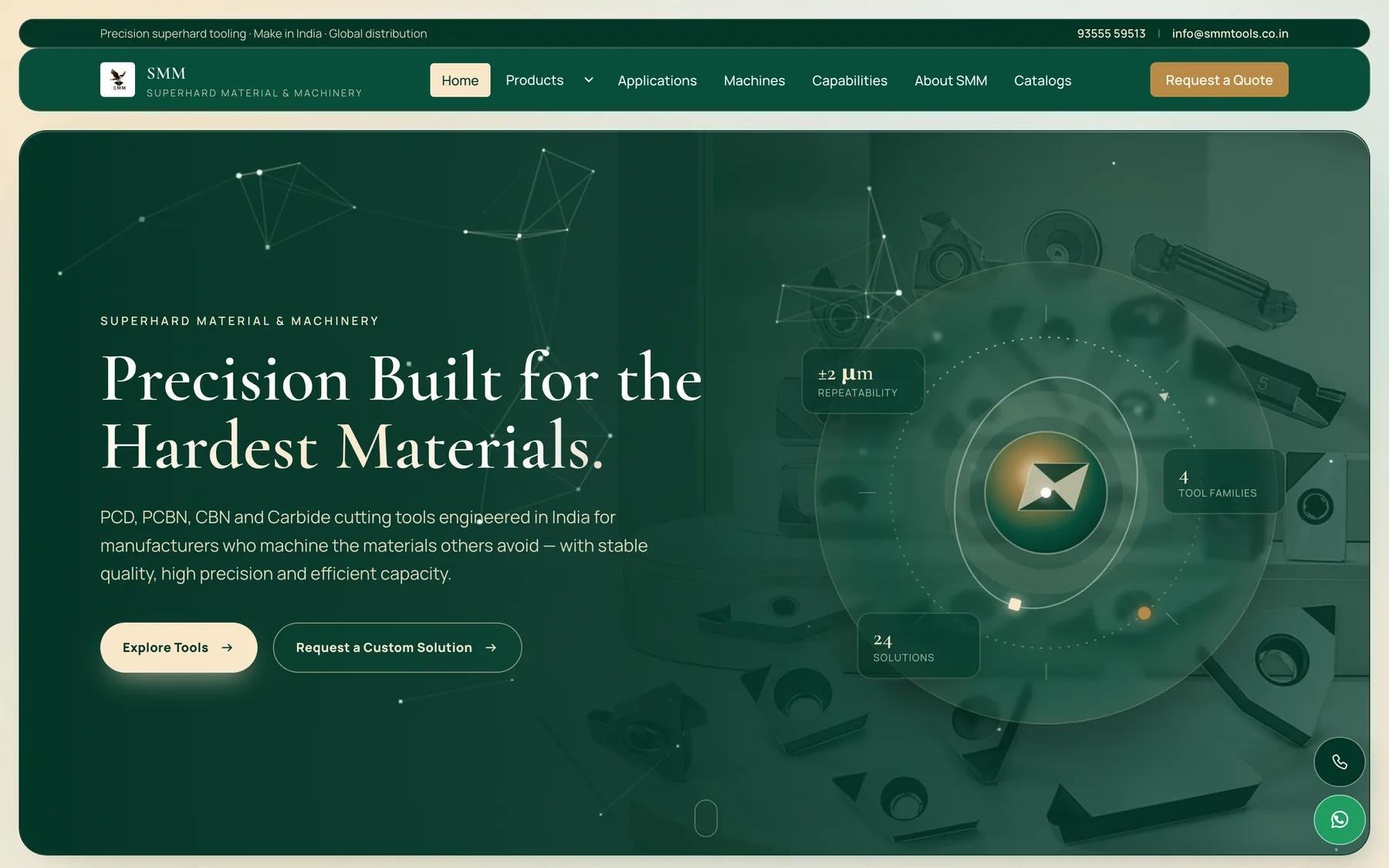
Manufacturing
SMM — Superhard Material & Machinery
Corporate platform for a precision tooling manufacturer — product families, technical catalogs, capabilities and quote workflows.
Related: websites for manufacturers
Explore the kinds of websites and workflows we build. These project previews were captured previously; ask us to walk through a relevant example and discuss your requirements.
Screenshots show the previously captured interfaces. They do not establish current deployment status, traffic or customer results.
Use the project overviews to understand the business context and visible workflow. Current availability and a walkthrough can be discussed with the studio.
The tools.narvyn.com public preview is currently unavailable. Its saved screenshot and project overview remain available.
Manufacturing
Corporate platform for a precision tooling manufacturer — product families, technical catalogs, capabilities and quote workflows.
Related: websites for manufacturers
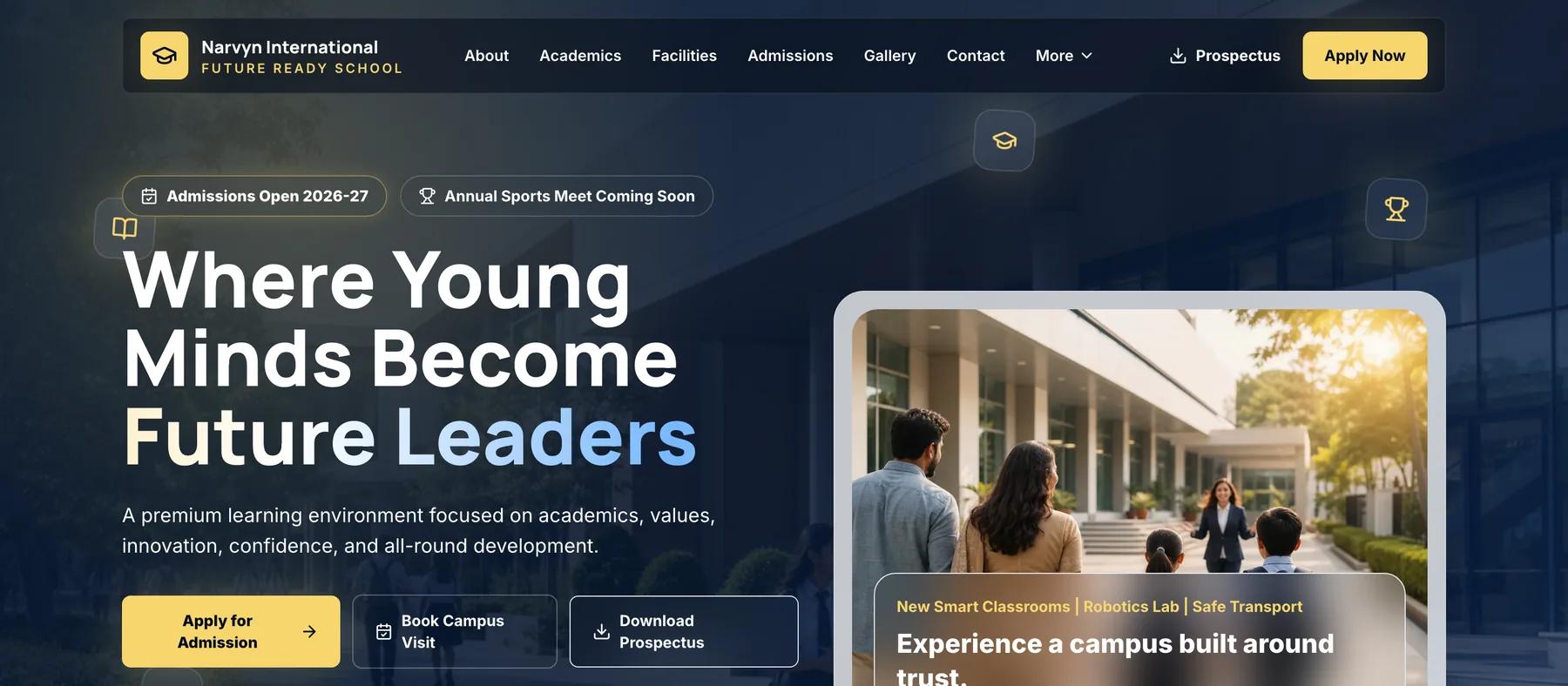
Education
Admissions-first school platform with academics, facilities, gallery, prospectus downloads and campus-visit booking.
Related: school fee management software
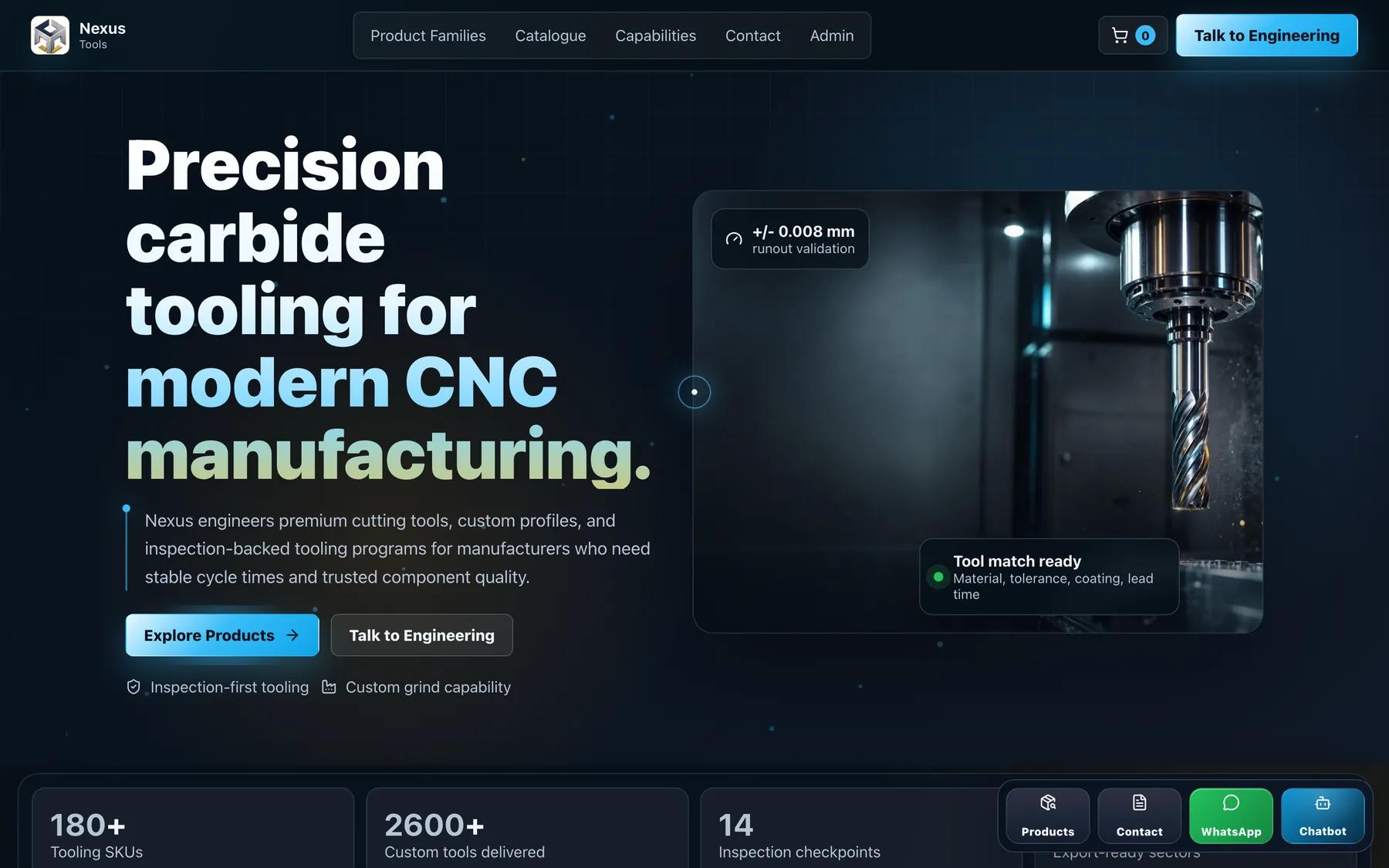
Industrial B2B
Industrial catalog and enquiry platform for carbide cutting tools — product details, engineering enquiries and WhatsApp flows.
Related: B2B catalogue websites
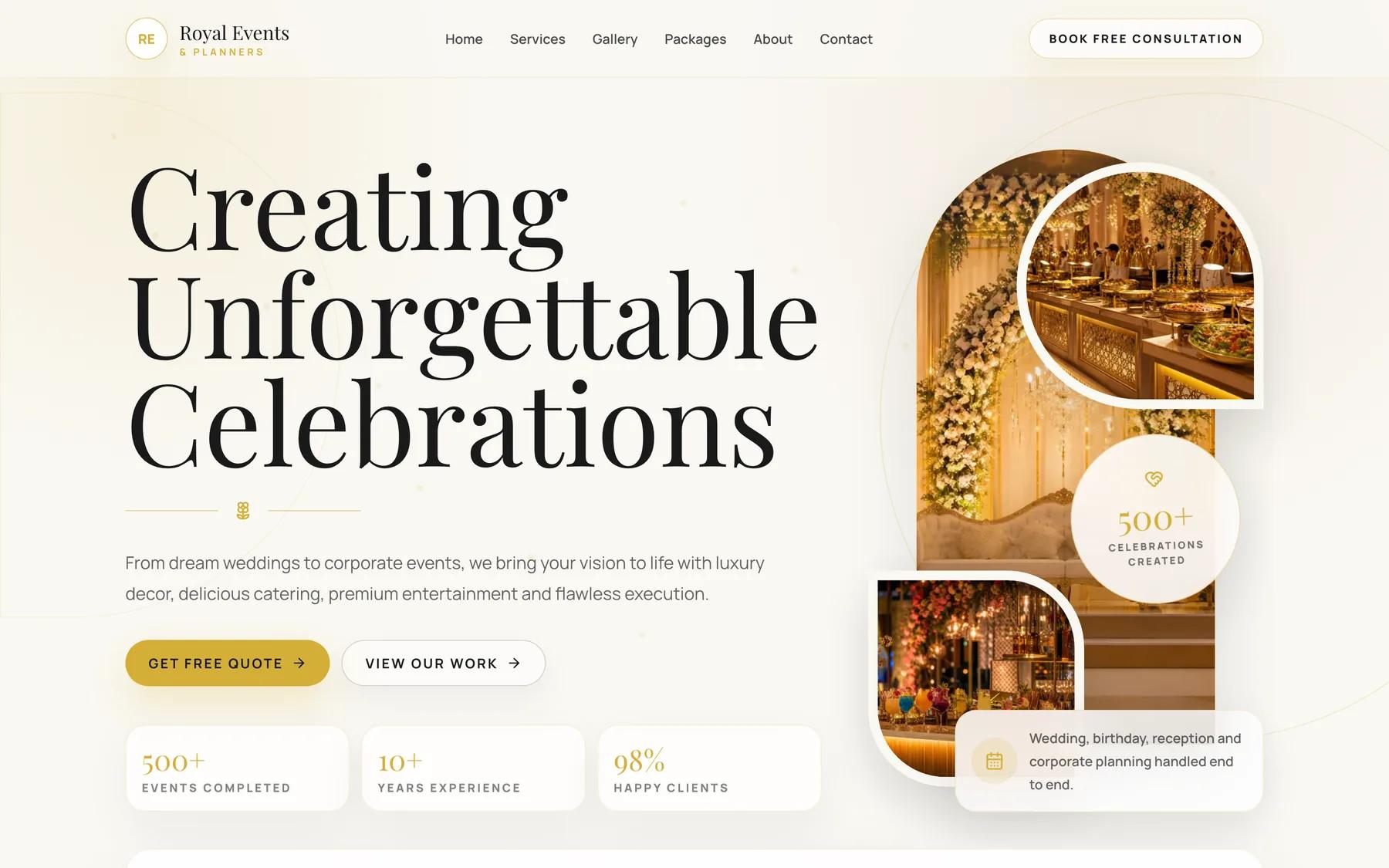
Events & Hospitality
Luxury event-planning showcase with services, gallery, packages and consultation booking.
Related: brand and booking websites
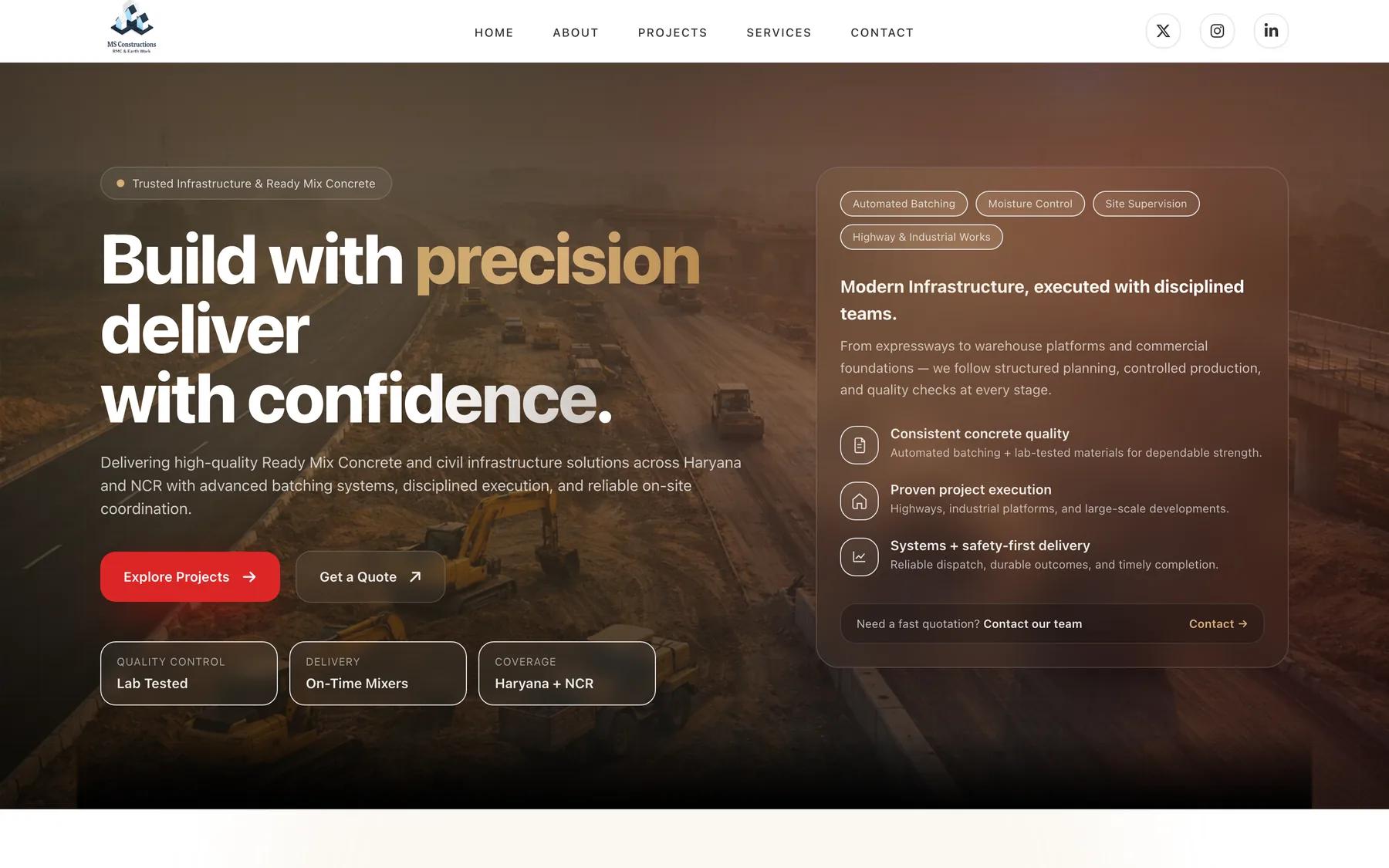
Construction & Infrastructure
RMC and infrastructure company site — projects, services, capability statements and quotation contact.
Related: construction company websites
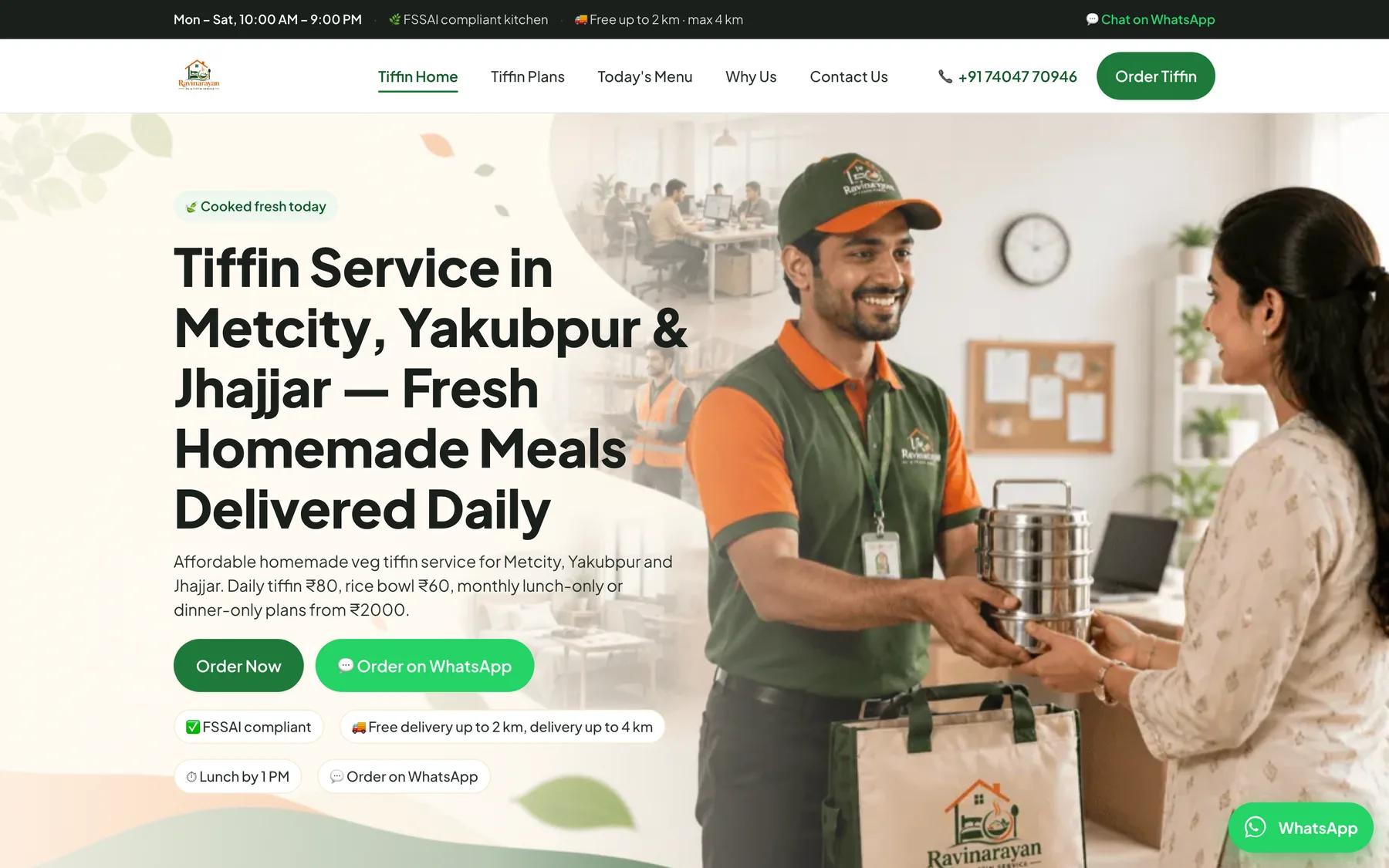
Food & Local Business
Mobile-first ordering site for a daily tiffin service — plans, daily menu and WhatsApp ordering.
Related: apps for local food businesses
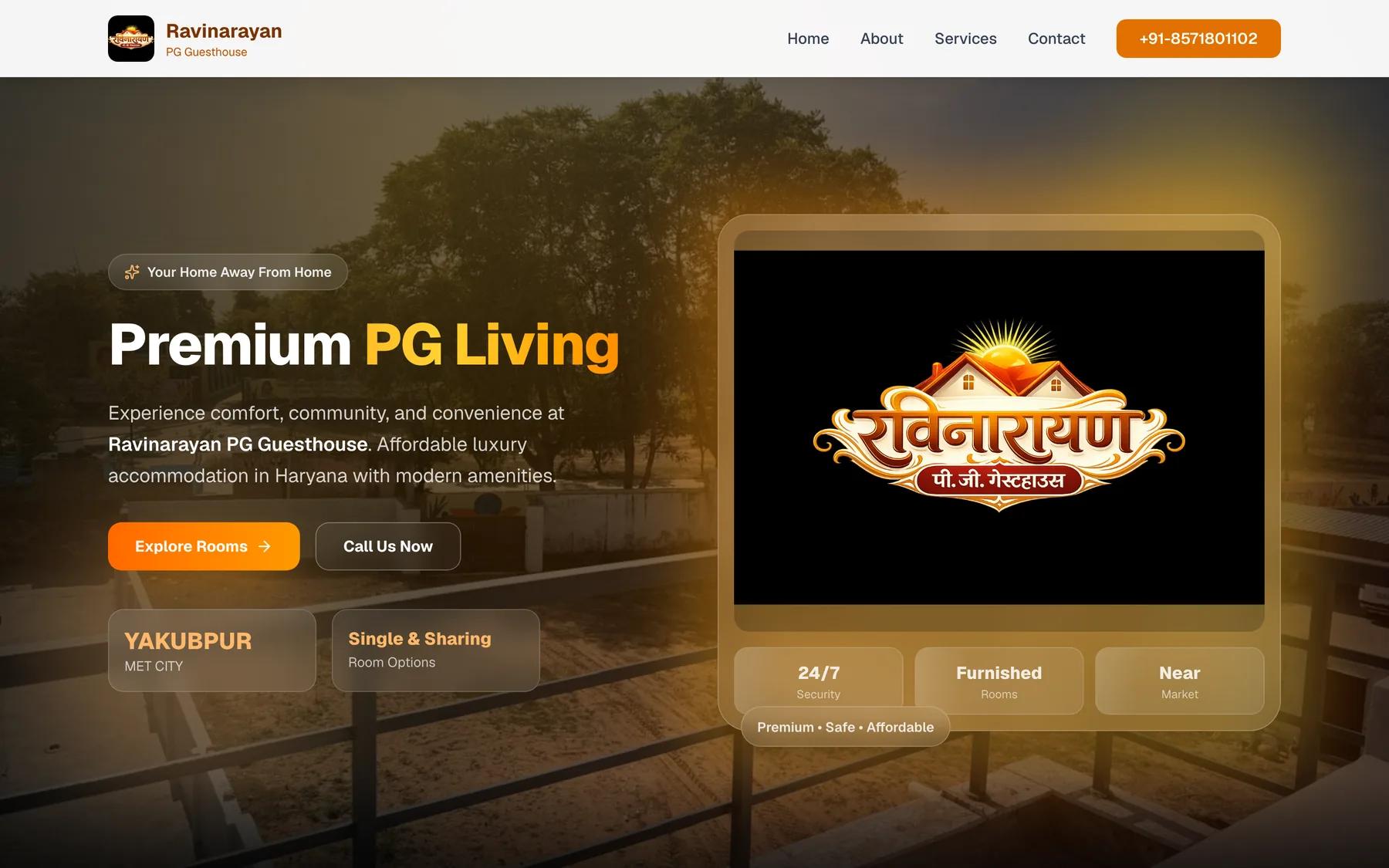
Real Estate & Stays
PG accommodation site with rooms, amenities, locality pages and direct-call conversion.
Related: local SEO for service businesses
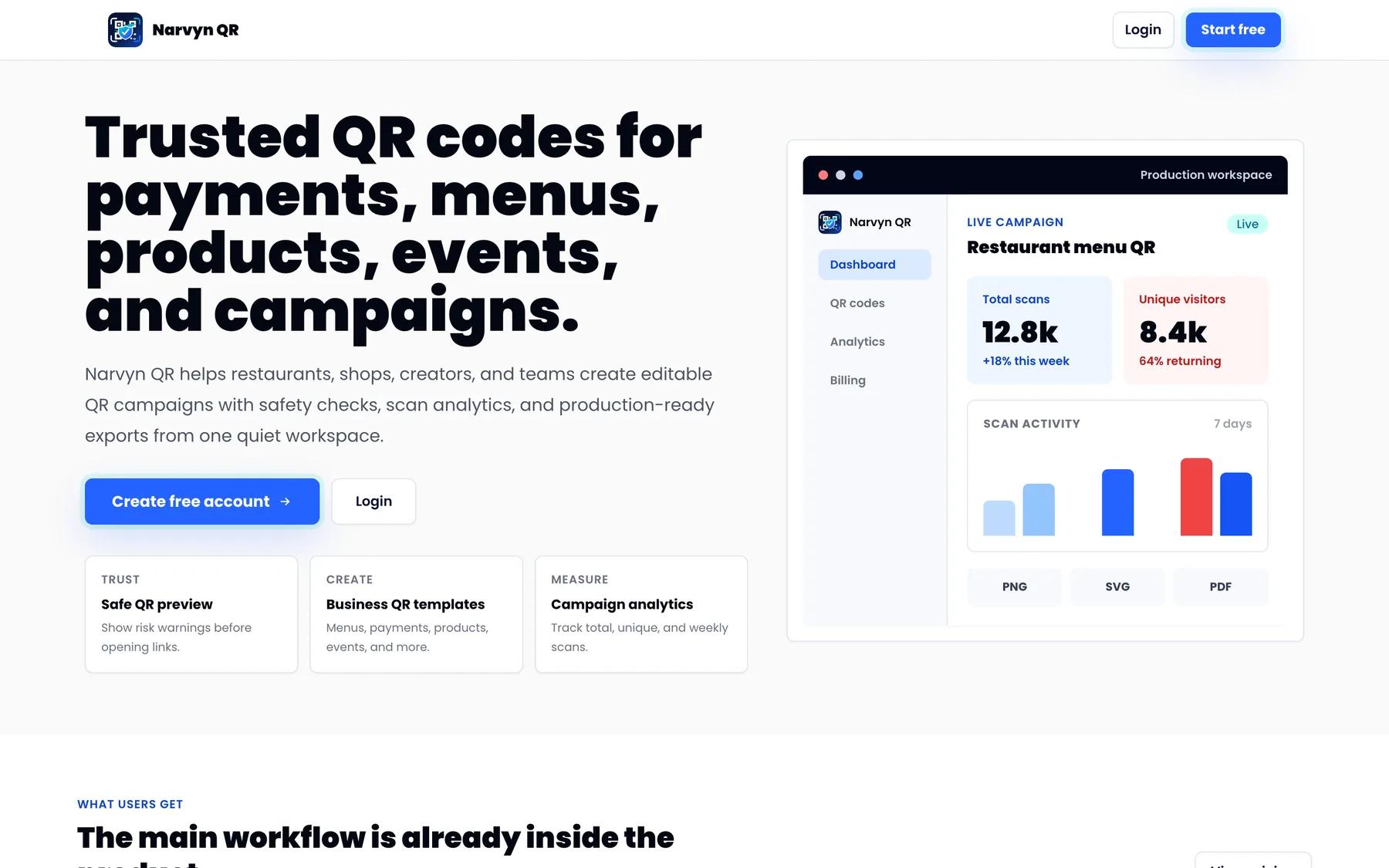
SaaS Product
QR codes and campaign scan records. Discuss the required workflow and availability.
Related: our QR platform
A useful project starts with the people who will use it. Define their roles, the records they handle and the decisions they need to make. Architecture and integrations should follow those requirements.
Agree on the key journeys before development: capturing an enquiry, finding a catalogue item, recording a payment or producing a report. Include validation, failure recovery and the information needed to finish each task.
Bring example workflows and sample or redacted records to the scoping conversation. Identify content owners, existing systems and migration needs early, then agree on the acceptance checks in the proposal.
Share the essentials through our project enquiry form and we will follow up by email. For the commercial details — what moves a quote up or down, and what sits outside it — read how we cost a build.
Tell us what breaks in your week. We will tell you honestly whether it is a software problem, and if it is, what a fixed written quote would cover.
no commitment required · we reply by email